Accessories

Waxed Canvas Backpack


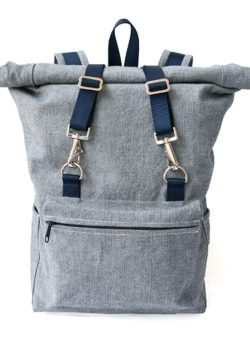
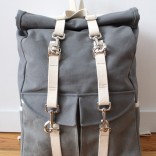
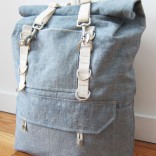
Waxed Canvas backpack, front

When I first started thinking about making a back pack, I knew I wanted to use canvas, and I knew I wanted a simple “traditional” design. My goal was to create something that could hold a couple days worth of clothing for a weekend getaway, or be used as an airplane carry-on. Serious hiking, climbing, or long heavy hauling were not factors I considered when designing and constructing this pack. For inspiration, I looked to both the Archival Rucksack and Makr Farm Ruck Sack, which both seem to be nicely designed and well made.

The pack features a double layer of canvas throughout the body and flap for durability and some structure. Ideally, I would have preferred to use one layer of really heavy canvas, but as I mentioned in the post about the canvas I dyed for this pack, I found the canvas on sale and couldn’t pass it up. At the time it was the heaviest canvas available in the store, and while I saved a little money, I should have just bought the right fabric to begin with. All things considered though, I’m pretty happy with the way it turned out.

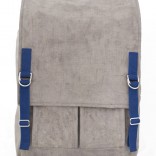
Waxed Canvas backpack, back

All of the blue webbing is polypropylene, and while it isn’t my preferred material, it was easy to work with. Cotton webbing would have been a nice option, but was difficult to find in small quantities. I also thought about using leather for the shoulder straps and flap closure, and on a future pack I may do so. Working with leather, however, requires a lot of practice, special tools, and skills that I haven’t even begin to learn.

For both the shoulder straps and flap closure I used a simple double D-ring setup for adjustments. This works great for the shoulder straps because I don’t need to change the length of those very often, but the D-rings make getting into the main compartment a little difficult. On my next pack, I will probably use different hardware such as a lobster claw, or some type of snap hook to close the top flap.

Waxed Canvas backpack, open

The main compartment closes with a drawstring woven through grommets, which were surprisingly easy to install. I decided to lightly wax the outside layer of canvas with Otter Wax to give some texture, a weathered look, and most importantly, resistance to water. I should probably apply a heavier coat for more protection, but this is something I can do at a later date. I chose Otter Wax because it is a natural product, is environmentally friendly, and is relatively easy to apply.  The two outer pockets have slots for pens/pencils, and close with a jeans style button. There are also several pockets on the inside for thin, low profile items.

Waxed Canvas backpack, wax

Materials and hardware:

(materials are approximate measurements and are usually more than enough)

  • 2 yards heavy canvas
  • 16 ft. 1″ webbing
  • 12 ft. 2″ webbing
  • 8 D-Rings
  • 4 metal slides
  • 2 jeans style buttons,
  • 16 size #1 grommets
  • 2 yards 1/4″ rope for draw string
  • Heavy topstitching thread
  • 5 yards 1″ bias tape, or twill tape to finish inside and top opening seams
  • Fabric dye and wax, optional


Canvas Dying

I bought a couple of yards of canvas on sale knowing that I wanted to make a canvas backpack at some point. When it actually came time to make the backpack (post coming soon), I realized that the natural canvas color would quickly get really dirty. I’ll just dye it I thought, it’s easy right?

The process is actually pretty easy. The hard part is getting the right color. This was my first time dying anything, and while it was fun, I’ll probably look a little harder for the exact color of fabric I want next time, rather than trying to dye fabric to a certain color. I used a simple, inexpensive dye that you can find at most hobby/craft stores.

*Please note, this post is not meant as an endorsement for Rit dye. It just happened to be the easiest product to find in my area.*

Raw Canvas with fabric dye

I started with a grey powder dye. If the first dying session had resulted in the color shown on the box, I would have been pretty happy with the outcome.

Canvas dying in sink

Unfortunately, the result was a very cool light grey, borderline lavender color. Not exactly what I had in mind for a backpack. I followed the instructions, used two packages of dye, washed the fabric before I started, etc. Maybe my water wasn’t hot enough? Maybe my sink was too small? I’m not sure what went wrong, but I’ll blame my lack of experience rather than the dye.

Canvas dying results

So…I switched to liquid dye, picked out a “nice” taupe color and repeated the process.

Dyed canvas, with new dye color

My lavender canvas turned into the color shown below, which is actually fairly close to the color on the bottle, and not a bad choice for a backpack. If I do decide to embark on a dying adventure again, I think I’ll try to seek out a non-conventional, more organic approach and use something like coffee or tea to give plain cotton some color. This will do for now.

Final canvas dye color

I hope to have the backpack I made with this canvas up soon.